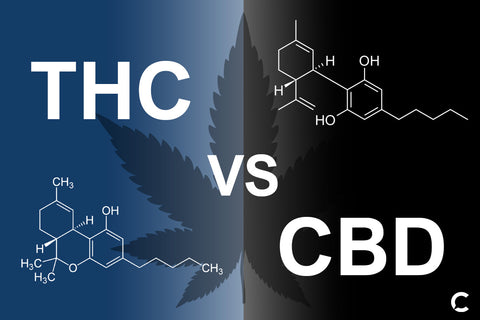
This chart highlights why the difference between CBD and THC influences product THC flower in fitness and wellness discussions choice — legal compliance, and personal comfort. As choices increase, people want to understand what they’re actually consuming. CBD and THC come from the same plant family, yet their effects, legal status, and everyday uses are dramatically different. As long as you’re taking pure CBD oil with no THC, you won’t get any high effect. CBD oil does not show up on drug tests unless you take a lot of it in one day – you’d have to take 1,000-2,000 mg for it to show up. This network contains receptors that bind with THC (and researchers believe that when this happens our internal clocks speed up), thus creating the feeling that the world around you has slowed down.
CBD can still be pharmacologically active and clinically important — especially at higher doses or with medications. Still check interactions, pregnancy guidance, drug testing, and product quality. CBD and THC both have real medical research behind them — but most retail products are not FDA-approved medicines. Others feel nothing obvious (or they feel tired), foggy, irritable, or have digestive changes. A low dose may feel relaxing (uplifting), appetite-stimulating, or sleep-supportive for some adults.
The complexity and dose-dependent nature of CBD indicate that low doses may sometimes enhance alertness, while higher doses can induce sleep in certain users. By recognizing how CBD supports daily wellness and THC offers specific relief, you can make choices that are confident and well-informed. For those aiming to remain clearheaded and productive throughout the day, CBD is generally the more suitable option. Strain choice also plays a role; some strains may make socializing feel easier compared to others.
The Impact of THC on the Brain and Body
It engages with the endocannabinoid system in the body (which is essential for regulating various physiological functions such as pain perception), mood, inflammation, and immune responses. Significant attention has been drawn to CBD (cannabidiol) and THC (tetrahydrocannabinol), two of the numerous cannabinoids in the cannabis plant, due to extensive studies and recognition. The wide variety of cannabinoids found in the cannabis plant contributes to its extensive effects and potential therapeutic advantages. Visit one of our locations in Las Vegas or explore our offerings online today. Wallflower Cannabis House offers a carefully curated selection tailored to meet your exact needs. Are you ready to discover premium — lab-tested cannabis products with expert assistance?
Their applications vary too—while one might be a go-to for pain relief or a sleep aid — the other often shines in supporting daily calm or even managing specific medical conditions. If you have thoughts or questions about either compound, feel free to share below and keep the conversation going. Consumers across the U.S. rely on this knowledge to stay informed and make choices that align with their needs. As laws evolve, understanding the difference between CBD and THC will help consumers make safe, smart choices. The right choice depends on personal preference and desired effect. The difference between CBD and THC plays a key role in determining what someone hopes to achieve.
New users may experience delayed or unpredictable effects when consuming edibles. This is the reason why THC can produce quick and potent effects — particularly when inhaled. For a more comprehensive understanding of CBD biology, consider pairing this guide with “The Science of CBD and Your Endocannabinoid System Explained. Most of the daily confusion surrounding these compounds can be attributed to that single distinction. The safest option aligns with your objectives — has trustworthy testing, and does not interfere with your health, medications, job, or local regulations. Your optimal choice is contingent upon your objectives (tolerance levels), quality of the product, adherence to local laws, and the need for medical advice.
The side effects of THC include short-term memory impairment (confusion), dizziness, and mental discomforts such as feelings of anxiety and paranoid thinking patterns. However, even daily amounts as high as 1500 mg have been well-tolerated by humans (1). The side effects of CBD are nearly nonexistent when taken in regular doses. The cannabinoid can also improve your focus and elevate your mood if you take it in doses that produce mild intoxication or keep you on the verge of it.